
Who it’s for · Trades & Home Services
Technology leadership for the trades that keep the Metro East running.
Plumbers, HVAC crews, electricians, roofers, cleaning companies, landscapers: Praxis puts a chief technology officer on your side of the table, a few hours a month, from Maryville, Illinois.
Five questions arrive before the call.
What does a fractional CTO do for a trade business?
The role, sized for a shopA fractional CTO gives a trade business executive technology leadership a few hours at a time: choosing field-service software that fits your crew, connecting scheduling, dispatch, and invoicing into one flow, and ranking risks like customer payment data. Praxis engagements start around $3,500, and the discovery hour with Lexi Holder is free.
Where does the software mess come from?
It arrived one fix at a time: an app for quotes, a binder for tickets, a spreadsheet for the schedule. These are category patterns, not client stories. If one sounds like your shop, that is normal.
What does right-sized look like for a crew?
The stack your business is ready for, matched to your crew size and to how much technology your shop already handles.
One system of record
Jobs, customers, and invoices live in one place, so the answer to what did we bill never depends on who remembers.
Sized to the crew
A three-truck shop gets a three-truck stack. If the budget tightens, Lexi trims scope and keeps the quality.
Adoption and training included
A tool nobody opens is wasted spend. Training is part of the engagement, until the crew uses the system without thinking about it.
KPIs at baseline, three, and six months
Lexi sets the numbers before the work starts, so you catch a wrong turn early, while it is cheap to fix.
40 hours
to one.
The usual first step for a shop is a Technology Risk Assessment: every tool, gap, and risk on one page, rated by you. The ongoing version of the role is on the Fractional CTO page.
Built around how a crew works
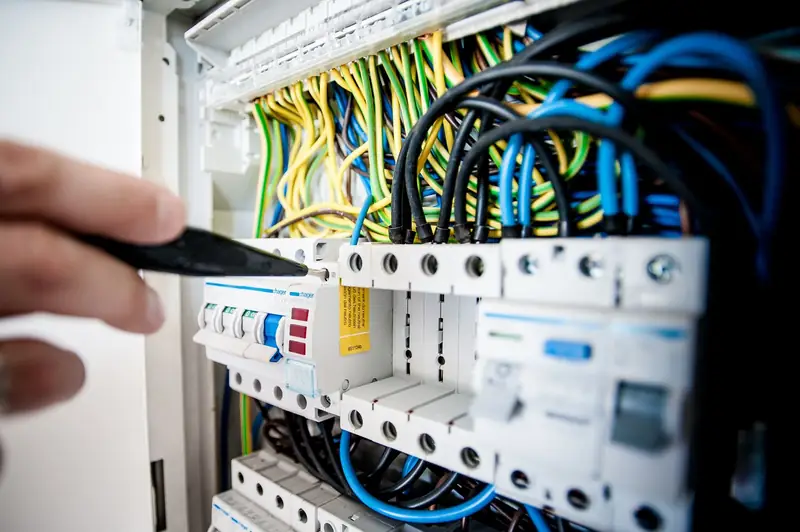
The systems conversation starts where the work happens: the truck, the panel box, the whiteboard by the shop door. Praxis maps how jobs, materials, and invoices move through your week before anyone picks software.
Why does Praxis fit the trades?
Lexi Holder grew up working in her family’s building-supply business. Praxis works across industries, the trades are familiar ground, and the method starts in the same place every time: how your jobs flow, from the first call to the paid invoice.
The one requirement is being open to change.
Warm the way referrals are
Lexi is a BNI member, and the practice runs the way trade referrals do: a name passed along, a conversation, then work that earns the next mention. The discovery hour keeps that shape.
Plain English for owners who run trucks
Every technical noun gets translated in the same breath it appears. A risk register is a list of what could go wrong, ranked by you. Identity access management is who can touch what, and why.
A risk lens on payment and customer data
Card readers in the driveway, addresses and gate codes on file, invoices by text. US small businesses hit by cyber attacks lost a median of $8,300 in 2023 (Hiscox Cyber Readiness Report 2023), and the mitigation budget goes where you rate the danger highest.
The ranges, before the call
Every engagement is tailored, and the operating rule is hers: we gotta walk before we can run. These are the shapes an engagement takes.
Operational Intelligence Systems
Foundation $3,500 to $5,000 · Signature $7,500 to $12,000 · Bespoke $15,000+Structure first, software second. CRM, automation, and workflow infrastructure on the platform that fits your crew.
[ See pricing → ]Integrated Intelligence Systems
Starting at $20,000The complete system: Cognitive Blueprint, AI-enabled thinking partner, operational architecture, and governance guardrails.
[ Full breakdown → ]The discovery hour is free, and the five-question agenda arrives before the call.
What trade owners ask
Which technology problems does Praxis fix for a trade business?
The common ones: field-service apps that overlap and bill separately, a flagship platform used at a fraction of its capacity, job tickets that live on paper until someone retypes them, and scheduling, dispatch, and invoicing stitched together by hand. Lexi maps what you pay for against what you use, then connects the keepers.
Does Praxis know the trades?
Praxis works across industries, and the trades are familiar ground. Lexi Holder grew up working in her family’s building-supply business, and at CCA Global Partners her work supported more than 700 independent business owners across the United States and Canada. The method is the same everywhere: map the business first, then fit the technology.
What does it cost for a small trade company?
The discovery hour is free, and the five-question agenda arrives before the call. Engagements start at $3,500, larger system builds run higher by tier, and the full ranges are on the pricing page. Every proposal is priced before you commit, with KPIs set at baseline to protect the spend.
Will I have to replace the software my crew already uses?
Not if it earns its keep. Lexi starts from what your crew uses in the truck and at the kitchen table, keeps the tools that fit, and connects them so data stops being retyped. Replacement only happens when a tool fails the test, and training comes with every change.
Have a different question? [ Ask Lexi directly → ]
Last updated August 18, 2026